How Real Estate Investors Can Prepare Their Bookkeeping for Tax Season
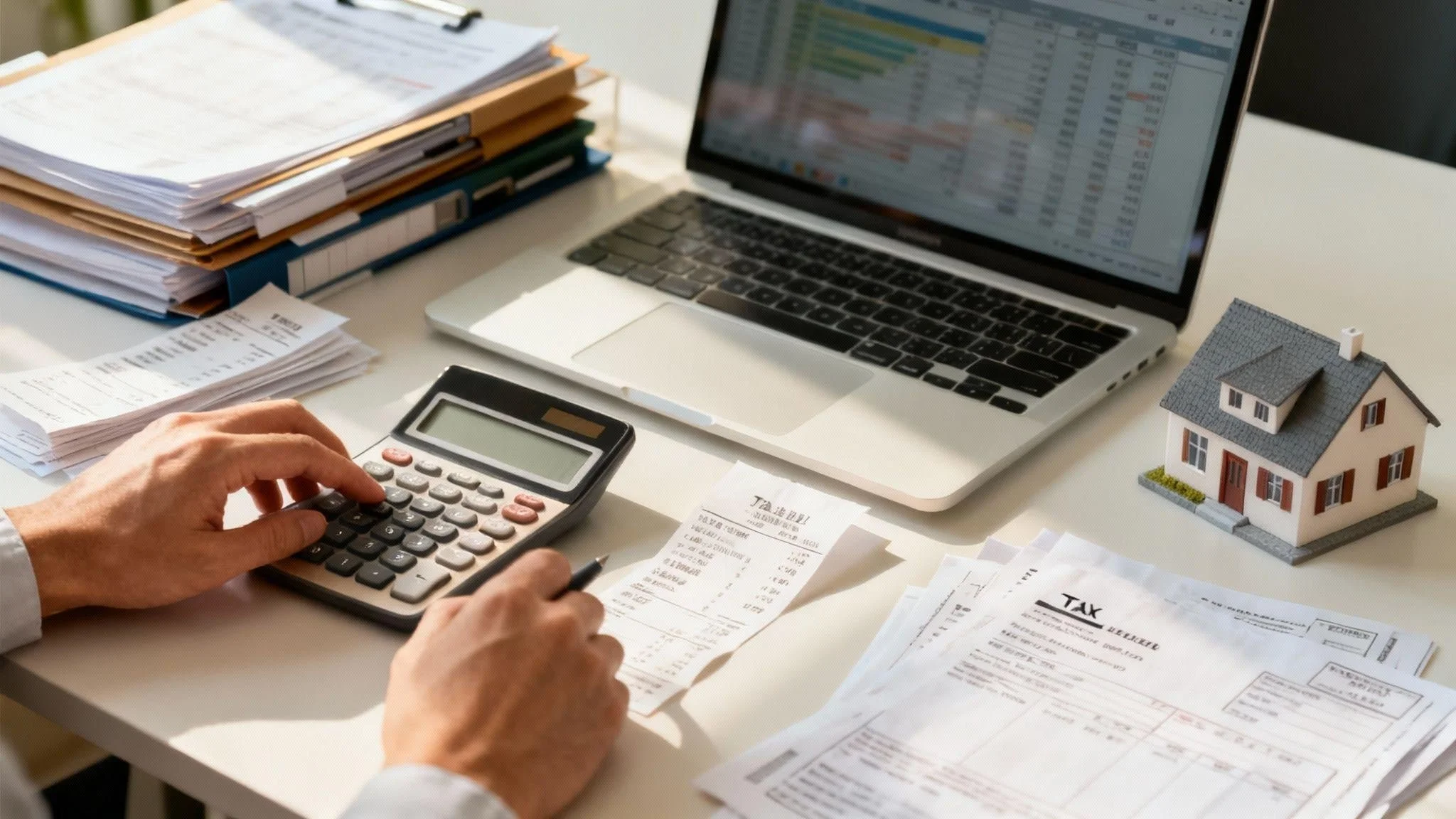
Tax Season Is Easier When Your Books Are Already Organized
Tax season shouldn't begin with a search through twelve months of bank statements.
But for many real estate investors, that's exactly what happens.
Rental income needs to be accounted for. Repairs and maintenance need to be reviewed. Contractor payments, insurance, property taxes, utilities, management fees, and other transactions need to be organized.
When you own multiple properties, the work can multiply quickly.
The better approach is to keep your real estate bookkeeping organized throughout the year so that when it's time to work with your CPA or tax professional, the financial information is already there.
At ReedBooksPlus, we help real estate investors maintain organized records in QuickBooks Online and stay better prepared for tax season.
Reconcile Your Accounts Before Tax Time
One of the first things to check is whether your bank and credit card accounts have been properly reconciled.
Reconciliation helps confirm that the transactions recorded in your books match what actually happened in your accounts.
Without it, you may have duplicate transactions, missing expenses, incorrect balances, or deposits that haven't been properly recorded.
These problems are much easier to address regularly than when you're trying to finish an entire year at once.
Make Sure Rental Income Is Recorded
Rental income should be consistently recorded throughout the year.
If you own multiple properties, keeping the income organized by property can make your records much easier to understand.
This also gives you useful information beyond tax preparation.
Instead of simply seeing total rental income, you can better understand what each property contributed during the year.
Review Your Property Expenses
Real estate investors can accumulate a long list of property-related expenses.
Repairs, maintenance, insurance, property management, HOA fees, utilities, landscaping, cleaning, professional services, and other costs may all appear throughout the year.
Before sending your books to your tax professional, these transactions should be reviewed and properly categorized.
Good bookkeeping helps make sure important transactions aren't simply sitting in an unclear or miscellaneous category.
Keep Repairs and Improvements Clearly Documented
Not every dollar spent on a property is necessarily treated the same way for tax purposes.
A routine repair and a significant property improvement, for example, may require different tax treatment.
Your CPA or tax professional should determine the appropriate treatment based on your circumstances.
Your bookkeeping can make their job easier by keeping invoices, payments, descriptions, and other financial records organized so they have better information to work with.
Check for Personal Transactions
Personal expenses sometimes find their way into business or investment accounts.
It happens.
The important part is identifying them before your financial information is handed over for tax preparation.
Mixing personal and investment spending can create unnecessary questions and make your records harder to review.
Keeping separate accounts for your real estate activity can make this much easier going forward.
Review Each Property, Not Just the Portfolio
If you own several rental or investment properties, review the financial activity for each one.
One property may have experienced significant repairs during the year. Another may have had a period of vacancy. Another might have undergone renovations.
Looking at each investment separately can help identify transactions that appear unusual or may have been assigned to the wrong property.
It also gives you an opportunity to evaluate how each investment performed during the year.
Make Sure You Have Supporting Records
Bookkeeping tells the financial story, but supporting documentation can help explain the transactions behind the numbers.
Keep important receipts, invoices, contractor statements, closing documents, loan information, and other property-related records organized.
You don't want to be searching through old emails months later trying to remember why a particular payment was made.
Don't Turn Your CPA Into Your Bookkeeper
Your tax professional needs accurate financial information to prepare your return and provide tax guidance.
If your books are incomplete, they may first have to spend time figuring out what happened throughout the year.
That can mean more questions, more back-and-forth, and more work before tax preparation can even begin.
Keeping your bookkeeping current allows you to provide cleaner financial records from the start.
Start Preparing Before the Year Ends
The best time to prepare your real estate bookkeeping for tax season isn't the week before your tax appointment.
Reviewing your books before year-end gives you time to identify missing transactions, reconcile accounts, correct errors, and gather documentation.
More importantly, it gives you an opportunity to understand your investment finances while there's still time to discuss year-end questions with your tax professional.
Need to Catch Up on Your Real Estate Bookkeeping?
If your books are several months behind, waiting longer usually makes the cleanup more difficult.
ReedBooksPlus provides QuickBooks Online bookkeeping and catch-up bookkeeping support for real estate investors.
We can help organize your transactions, reconcile your accounts, and get your financial records into better shape before you hand them over to your CPA or tax professional.
Free Initial Consultation
If you want to get your real estate bookkeeping organized before tax season, let's talk.
ReedBooksPlus can help you spend less time sorting through transactions and give your tax professional cleaner financial information to work with.
Schedule a free initial consultation:
https://calendly.com/martyreed1020/new-meeting
Learn more:
Final Thoughts
Tax preparation becomes much easier when bookkeeping isn't treated as a once-a-year project.
Keep your accounts reconciled. Keep property income and expenses organized. Maintain good supporting records. And address bookkeeping problems before they become year-end problems.
Good tax preparation starts with good books.